
Understanding What Residential Care Really Means
Residential care is there to support older people who are finding everyday life a little more difficult on their own. It offers a safe and welcoming place to live, with caring staff available at all times to help with day-to-day needs. That support might include help with washing and dressing, preparing meals, taking medication, or simply having someone nearby for reassurance and companionship. It’s not about taking independence away, it’s about making life feel more manageable and comfortable. For many families, it brings peace of mind knowing their loved one is in a place where they are looked after with kindness and respect.
Who Might Benefit From Residential Care
Residential care is often considered when living at home starts to feel more challenging. This might be due to age, reduced mobility, memory changes, or increasing isolation. Sometimes it’s a gradual realisation that a little extra support would make life easier and safer. For others, it may follow a health change or a fall that highlights the need for more consistent help. It’s also a positive option for people who would benefit from more company and social interaction, especially if they have been feeling lonely at home.
What Life In Residential Care Is Like
Life in a good residential care home is shaped around comfort, dignity, happiness and familiarity. Residents are encouraged to continue doing the things they enjoy, whether that is reading, gardening, joining in activities, visiting local attractions or simply having a quiet cup of tea in a favourite chair.
Days are supported by a gentle routine that helps take away the stress of managing everything alone. Meals are prepared fresh, care is always on hand when needed and there is usually a mix of social activities and quiet time, so each person can choose what suits them best. Importantly, residents are treated as individuals. Personal routines, preferences and life histories are respected and built into daily person centred care plans, helping people feel truly at home.
The Support You Can Expect
Residential care is about more than practical help, it is about creating a sense of security and wellbeing throughout the day. Staff are there not only to assist with personal care needs, but also to provide emotional support, conversation and reassurance. This can include help with mobility, continence care, medication management, meals, hydration, and personal hygiene. It also includes the quieter but equally important parts of care, such as noticing when someone is feeling low, encouraging participation in activities, or simply sitting and talking for a while. Families often find comfort in knowing that their loved one is not just being cared for physically, but emotionally as well.
Personalised Care That Respects The Individual
No two people arrive in residential care with the same story, and that is exactly where good care begins. It is not about fitting someone into a system, but shaping the support around the person.
From the first conversation and throughout day-to-day life, care is built around what actually matters to each resident. That includes the practical things such as mobility support or help with medication, but also the quieter details that often define comfort. Things like preferring a slow morning with tea before getting dressed, liking meals at a certain time, or wanting a bit of company in the afternoon but quiet in the evenings.
Some residents feel most at ease when the home is lively and sociable. Others prefer familiar routines, softer surroundings, and a slower pace. Neither is right or wrong. Good residential care adapts rather than expects change. The goal is not to take over someone’s life, it is to make everyday living feel less pressured and wherever possible people are encouraged to keep control over their own choices. That might be something as simple as deciding when to get up, how to spend an afternoon, or whether to join others for an activity or stay in their room and rest. Over time, staff get to know not just needs, but personalities. That familiarity is often what makes care feel natural rather than clinical.
Activities, Companionship & Daily Life
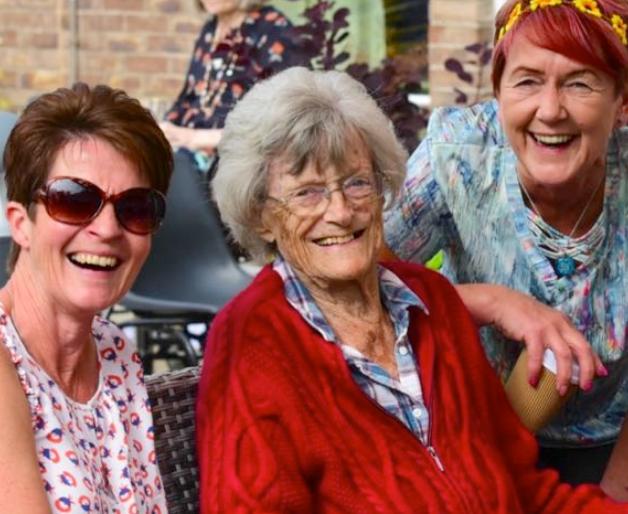
Life in a care home is not only about support, it is also about the rhythm of the day and the people you share it with. For many residents, one of the biggest changes is simply having others around again; a sense of companionship. Not in a forced or structured way, but in the natural flow of daily life. A chat in the hallway, sitting together before lunch, or sharing a laugh over something small in the afternoon. These moments often become more meaningful than planned events.
Activities are there as an option, not an obligation, some days might include light movement sessions, creative crafts, music, or quizzes that bring a bit of friendly competition. On other days, it might be something quieter like baking, gardening, or looking through old photographs with others who enjoy reminiscing. What matters most is choice. No one is expected to take part in everything, and there is always space for rest and personal time. Even outside organised activities, companionship happens naturally. Staff often play a role in this too, not just through care tasks, but through conversation and presence. Those everyday exchanges can help prevent the sense of isolation that sometimes builds when living alone at home.
Supporting Families As Well As Residents
Moving into residential care affects families as much as it affects the person moving in. For many, it comes after months or even years of gradually increasing responsibility at home. So when the decision is made, there is often a mixture of relief, worry, and adjustment all at once. Good care recognises that families are not stepping back, they are stepping into a different role.
Relatives are encouraged to visit freely and remain part of daily life. These visits are not limited to formal occasions or scheduled times. They are simply part of how the home works. Over time, many families find that visits become less about managing care tasks and more about spending real quality time together again. There is also ongoing communication with families, so they are kept informed and involved in decisions where needed. That shared understanding helps build trust and reassurance on both sides. For many families, one of the most noticeable changes is that their time together becomes lighter. Instead of focusing on appointments, medication, or safety concerns, they can simply enjoy being with their loved one again.
Making The Decision
Choosing residential care is rarely a single clear moment. It tends to build gradually, often after smaller changes start to add up. Perhaps it becomes harder to manage at home safely. Perhaps loneliness begins to outweigh comfort. Or perhaps family members start to worry about what would happen in an emergency.
There is no perfect time that applies to everyone. What matters more is recognising when daily life is becoming more difficult than it needs to be.
Visiting a care home can help make things feel more real and less abstract. It is one thing to read about care, and another to see the environment, meet staff, and get a sense of how people actually live there day to day. Often, those visits answer questions that paperwork or websites cannot.
It is also important to take time with the decision. Good care homes will not rush families or pressure immediate choices. Instead, they will understand that this is a step that needs to feel right, not forced.
A Warm & Supportive Next Step
At its heart, residential care is about creating a place where life feels steadier. Not smaller, and not limited, but more supported. A place where everyday pressures are eased, and where there is space for comfort, routine, and human connection.
For some, that means rediscovering social life after a period of isolation. For others, it means simply feeling safe again without the constant worry of managing everything alone.
Families often notice a shift too. Once the practical concerns are supported, relationships can return to what they were always meant to be. Time spent together becomes less about responsibility and more about presence.
If you are beginning to look at care options, it helps to take things step by step. Ask questions. Visit more than once if needed. Pay attention to how a place feels as much as what it says.
The right care home is not just somewhere that meets needs. It is somewhere that feels calm, familiar, and respectful of the person who will live there.
And when that fit is right, residential care stops feeling like a big change and starts feeling like a settled, supportive way of living.